


Every January, Dr. Linette Williamson sees a familiar pattern: patients who genuinely want to “get back on track,” yet still feel run down. They describe lingering fatigue, brain fog, bloating, joint stiffness, and mood changes—sometimes even when they’ve already cleaned up their diet or restarted workouts. It can feel frustrating, like the body didn’t get the memo.
In Dr. Williamson’s integrative approach, “detox” isn’t a trendy cleanse or a harsh reset button. Detox is what your body is designed to do every single day—neutralizing, transforming, and eliminating compounds it doesn’t need. The issue is rarely that your body can’t detox. The issue is that modern life can overload detox pathways and drain the resources your cells need to keep up.
That’s why the most meaningful New Year Reset isn’t about punishment or deprivation. It’s about supporting physiology—especially the systems that influence where health truly begins: cellular energy, inflammation balance, and immune resilience. When detox capacity improves at the cellular level, many people notice clearer thinking, steadier energy, better digestion, and fewer “flare-y” days—not because they followed a perfect plan, but because their body is finally supported in doing what it already knows how to do.
Detox 101: The Body’s Core Detox Systems
Liver Biotransformation
The liver plays a central role in detox, in part through a two-step process often described as Phase 1 and Phase 2. Phase 1 helps transform compounds—often making them more reactive temporarily—so Phase 2 can neutralize and “package” them for elimination. In simple terms: Phase 1 can be the “modify” step; Phase 2 is the “make it safer and movable” step.
These processes require resources: amino acids (from adequate protein), antioxidants, B vitamins, and key minerals. One common mistake with aggressive detox plans is focusing on “mobilizing” toxins without supporting the body’s ability to bind, neutralize, and eliminate them—potentially leaving people feeling worse (headaches, fatigue, irritability, digestive upset). A sustainable approach supports both processing and exit.
Gut + Bile + Stool
A surprisingly unglamorous truth: regular bowel movements are a detox priority. If stool transit is slow, compounds meant to leave the body may linger longer than intended. Fiber intake, healthy bile flow, and microbiome balance all support this “exit ramp.”
Gut dysbiosis can also contribute to the “recycling” of compounds through a process often called enterohepatic recirculation—meaning some substances that were on their way out can be reabsorbed and recirculated. This is one reason Dr. Williamson often emphasizes digestive foundations as part of a reset.
Kidneys + Hydration
The kidneys rely on adequate fluid balance to filter and excrete waste. Hydration basics matter, and for many people, electrolytes (sodium, potassium, magnesium—tailored to the individual) help the body use fluids effectively. Extreme restriction plans or “dry” detoxes can strain the system rather than support it.
Lymph + Circulation
The lymphatic system doesn’t have a pump like the heart—so movement is the pump. Walking, gentle rebounding, strength training, and breathwork can all support lymph flow and circulation. Some people also benefit from supportive tools like massage, dry brushing (optional), and gentle sweating—so long as they rehydrate appropriately.
Lungs + Breath
Breathing is a detox pathway, too. Nasal breathing, improved CO₂ tolerance, and calming the stress response can influence inflammation and nervous system balance—two drivers that often determine whether a reset feels supportive or stressful.
Skin + Sweating
Sweating can be a useful supportive tool (like sauna), but it’s not a requirement for everyone—and it’s not “better” when it’s extreme. Sauna should be approached with common-sense safety: hydration, mineral replacement, and avoiding it when medically contraindicated.
Cellular Detox: The “Inside the Cell” Reset Pathways
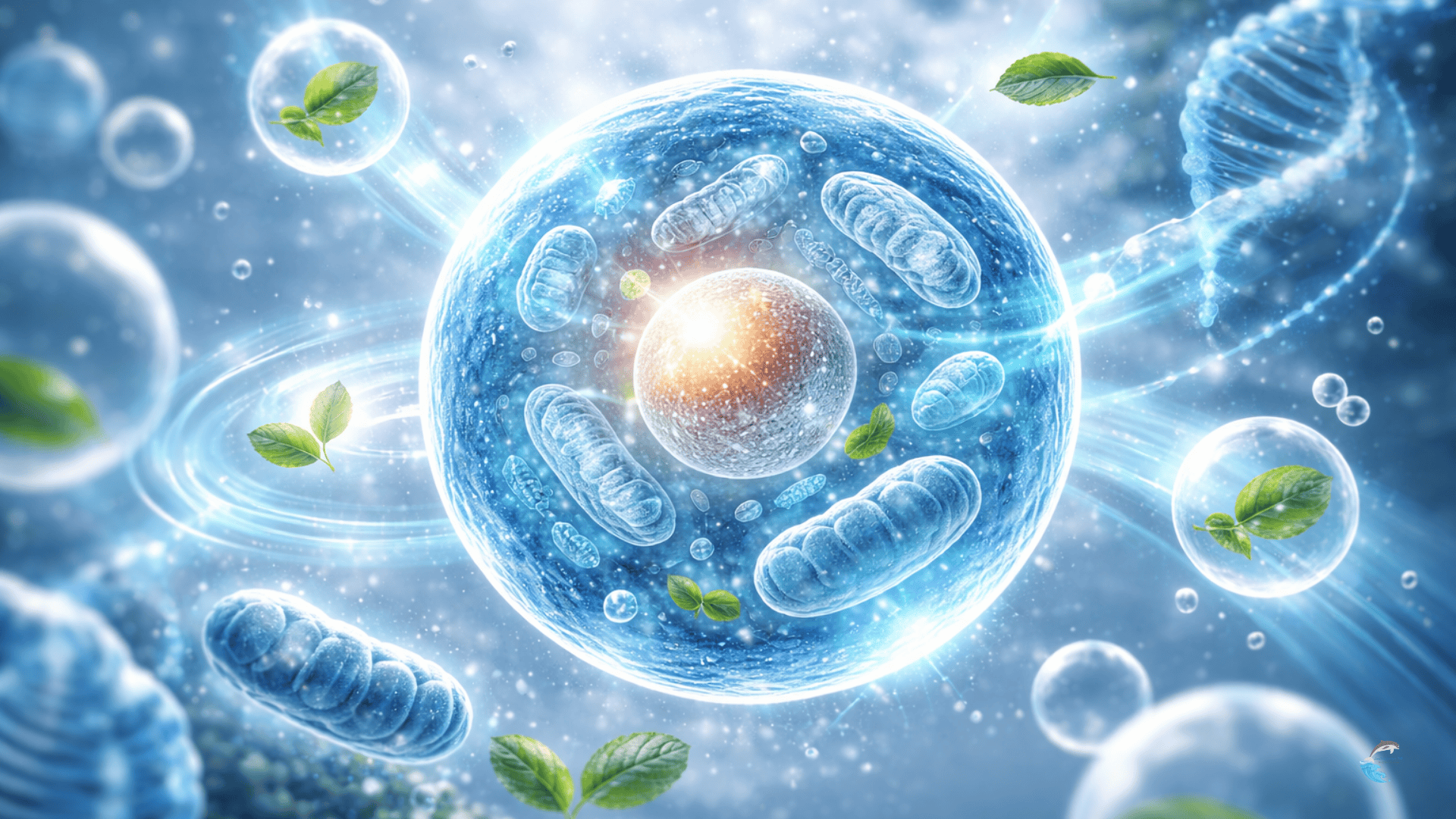
Mitochondrial Support
Detox is energy-dependent. When mitochondria are underpowered, everything feels harder: recovery, focus, metabolism, and resilience. Supporting mitochondrial output often comes back to fundamentals—food quality, adequate protein and micronutrients, consistent sleep, morning light exposure, and regular movement.
Antioxidant Systems
A central player here is glutathione, one of the body’s most important antioxidants and detox-support molecules. Another key concept is Nrf2 activation, a cellular “switch” that can increase antioxidant response. Many lifestyle inputs help nudge this system in the right direction—colorful plant compounds, appropriate exercise, stress regulation, and adequate sleep.
Autophagy
Autophagy is the cell’s recycling and repair process—clearing out damaged components and repurposing what’s usable. It’s closely tied to longevity and metabolic health. Sleep, movement, and (for some people) carefully chosen fasting windows can support autophagy. The caution: aggressive fasting or overly restrictive plans are not appropriate for everyone, especially those with certain medical conditions, pregnancy, a history of disordered eating, or complex chronic illness.
Inflammation Resolution
The goal isn’t to “crush inflammation” at all costs—it’s balance. Healthy healing requires the ability to calm excessive immune activation while supporting repair. This is where a steady, physiology-first reset often outperforms extreme approaches.
The New Year Reset Framework
Reduce the Inflow
Think of this as turning down the “incoming mail” your detox systems have to sort through every day.
- Simple home and lifestyle swaps:
Use cleaner household products when possible, choose filtered water, reduce reheating food in plastic, and be mindful with fragrances and harsh chemicals. These small changes can meaningfully lower everyday exposure over time. - Food quality upgrades:
Focus on whole foods more often than not—especially after the holiday stretch of ultra-processed foods and extra sugar. - Holiday-to-normal transitions:
Gradually reduce alcohol, become aware of “hidden sugar,” and clean up caffeine timing (earlier in the day tends to support better sleep, which supports detox and repair).
Support the Outflow
Detox is only as effective as your ability to eliminate what your body processes.
- Hydration + minerals:
Aim for steady hydration throughout the day. For many people, adding minerals/electrolytes (individualized) helps water actually get into cells and supports energy and digestion. - Fiber via whole foods:
Fiber supports stool regularity and microbiome balance. Prioritize vegetables, berries, chia/flax, legumes (as tolerated), and whole grains (as appropriate). - Meal timing that supports digestion:
Late-night eating can disrupt sleep and digestion. A consistent eating window and allowing time between dinner and bedtime can help. - Daily walking routine:
Walking supports lymph flow, circulation, and glucose regulation—three pillars of a cellular reset. Even 10–20 minutes after meals can make a difference.
Feed Detox Pathways
Detox is biochemical work. Your body needs raw materials.
- Protein as a detox foundation:
Amino acids are essential for Phase 2 liver pathways (neutralizing and packaging compounds for elimination). Many people under-eat protein—especially during “clean eating” phases. - Cruciferous vegetables, alliums, and colorful polyphenols:
Crucifers (broccoli, cauliflower, arugula), alliums (garlic, onions), and deeply colored plants support antioxidant defenses and healthy detox signaling. - Bitter foods (gentle bile support):
Bitter greens (dandelion, radicchio), lemon, and certain herbs can support digestion and bile flow for some people. - Anti-inflammatory fats:
Omega-3 sources like wild-caught fish, algae-based omega-3s, chia/flax, and walnuts can support inflammation balance.
Prioritize Sleep as “Detox Time”
If you do nothing else, protect sleep. Dr. Williamson often calls sleep the most underused detox tool.
- Sleep and brain “clean-up”:
Deep sleep supports restoration, hormone regulation, and the brain’s natural clearance processes. - Night routines that work:
Lower lights 60–90 minutes before bed, keep the bedroom cool and dark, and consider magnesium-rich foods (or clinician-guided supplementation if appropriate). Consistency matters more than perfection.
Stress Physiology Reset
Chronic stress doesn’t just affect mood—it changes detox capacity.
- Cortisol and detox capacity:
Elevated stress hormones can affect gut motility, blood sugar, inflammation signaling, and sleep—each one impacting your ability to detox and repair. - Practical tools:
Breathwork (especially slow nasal breathing), gentle morning sunlight, mindfulness, and vagal-toning practices can help shift the body out of “fight-or-flight” and into “rest-and-repair.”
Your Next-Level New Year Reset Starts at the Cellular Level
The most meaningful New Year reset doesn’t come from doing “more” or pushing harder—it comes from supporting what your body is already trying to do every day: restore balance, clear what it no longer needs, and rebuild resilience from the inside out. When detox pathways are supported at the cellular level, many people experience the benefits where it matters most—more stable cell energy, calmer inflammation balance, and stronger overall resilience.
Book a Personalized Cellular Detox & Ozone Therapy Consultation
If you’re ready to feel clearer, steadier, and more resilient this year, Dr. Linette Williamson can help you create a tailored plan based on your symptoms, history, and goals—whether you’re focused on fatigue, brain fog, digestive issues, hormone balance, inflammation, or overall longevity support.
Contact Dr. Linette Williamson, MD
- Phone: (760) 875-2627
- Encinitas Location: 317 North El Camino Real, Suite 107, Encinitas, CA 92024
- Also available: Winter Park, FL services + Florida telehealth
- Website: linettewilliamsonmd.com


.png)